

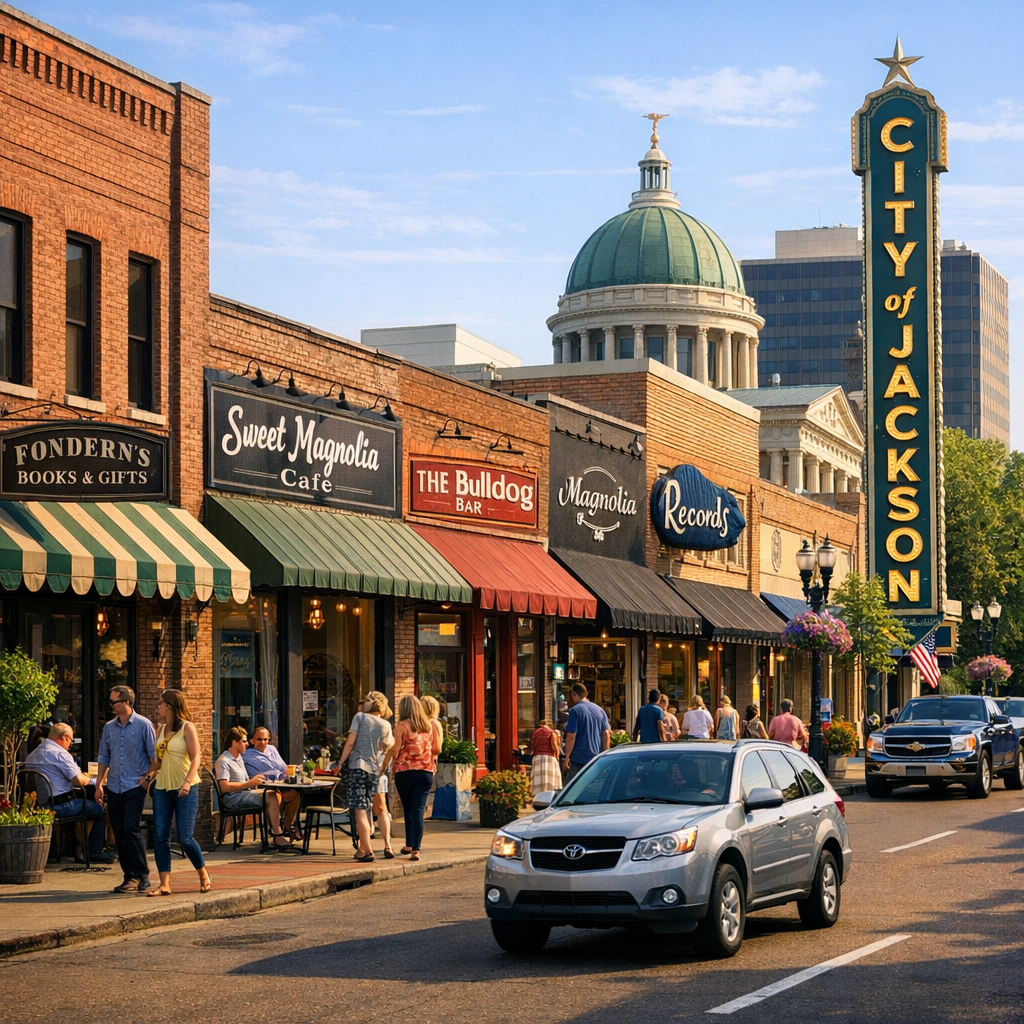
Jackson, Mississippi continues to evolve in ways that matter deeply to its entrepreneurs, small business owners, and people looking for work. As we look closely at the state of local business and economy, certain strengths and hurdles stand out—offering insight into where opportunities are thriving and where additional support is needed.
Economic Highlights & Recent Trends
The labor force in the Jackson metropolitan area has shown modest fluctuation—employment numbers have shifted slightly, with some industries gaining and others declining year over year. For instance, total nonfarm employment has dropped about 1.1%, while sectors like construction and manufacturing have also seen negative growth. On the flip side, financial activities and leisure/hospitality show glimmers of stability or minor gains. These trends suggest some sectors are more resilient than others in our local economy. (Latest Bureau of Labor Statistics data)
Household economics tell a story of mixed progress. Median income has increased over time, and home values are up—yet housing affordability remains a concern for many. Jackson’s population has declined in recent years, and poverty persists at a higher rate in the city than in surrounding metro areas. These facts point to economic pressure points for residents and business owners alike. (Census Bureau estimates and community survey trends)
What’s Supporting Local Businesses
The City of Jackson has put in place several programs aimed at helping entrepreneurship and small business growth. Through the Business Development Division, resources such as the Small Business Development Center, the Minority Business Enterprise certification, and the Business Entrepreneur Assistance Team offer targeted assistance. Licensing has also been streamlined with online systems to make starting up or renewing a business smoother. These efforts help reduce overhead and logistical friction for local owners. (City government sources)
Visibility and connectivity initiatives add to that support. Tools like the JXN Resource Hub give entrepreneurs access to microloans, guidance courses, online directories, and consumer-facing programs designed to promote “shop local” behaviors. Local marketplaces, arts and culture enterprises, and women-owned businesses—such as kitchens, bakeries, and wellness studios—also underline the diversity and creativity within Jackson’s small business sector. (Visit Jackson and city resources)
Challenges & Areas to Watch
While some sectors are growing, many face headwinds. Manufacturing, professional/business services, and construction have all seen year‐on‐year declines in employment. For entrepreneurs operating in or hoping to break into these sectors, that means navigating slower demand and potential capital constraints. (Labor market summaries)
Affordability binds both residents and businesses. Even as incomes rise, housing costs and rents have increased faster—and the shrinking population indicates people may be leaving due to limited economic opportunities or cost pressures. Additionally, poverty rates in Jackson are significantly above those in Madison and Rankin counties or nationally. These reflect both structural inequality and the need for inclusive economic planning. (Census comparisons)
Opportunities & Strategic Moves
Given the situation, several strategies appear promising:
- Focus on resilient sectors: Business and employment in hospitality, financial services, and retail—especially when tied to tourism—are showing potential for stability.
- Leverage local support: Entrepreneurs should take advantage of city-run programs for financing, education, and licensing that aim to lower barriers.
- Strengthening community roots: Businesses that engage with culture, creatives, local art, wellness, and food tend to attract customer loyalty and often provide differentiating value.
- Investing in affordability: For businesses and urban planners alike, addressing housing and transportation access will help retain workforce and consumers downtown.
What This Means for Job Seekers
For those entering or navigating the job market, awareness of where jobs are shrinking—and where there’s momentum—is key. Roles in manufacturing and certain services may be more competitive or fewer in number, but sectors like healthcare, retail, hospitality, and financial services offer room to grow. Skills that connect to entrepreneurship—digital literacy, customer service, marketing—continue to be valuable.
Looking Ahead
Jackson’s business and economic future isn’t written yet. Its trajectory depends on the ability of local government, entrepreneurs, community organizations, and job seekers to work together: keeping businesses thriving, removing unnecessary barriers, and ensuring growth includes everyone—particularly those facing long-term economic challenges. There’s reason for cautious optimism, particularly in sectors tied to community culture and creativity, but thoughtful investments in infrastructure, affordability, and support systems will be essential.
By Ethan Davis